Tailored support, from idea to delivery, for innovative and sustainable projects.


Project design and management
Every project is unique. A first conversation helps us understand your ambitions, the context you work in, your internal resources and the partnerships you already have.
Based on this diagnosis, and to meet your needs, I offer an intervention plan covering one stage of the project cycle or combining several.
Defining the strategy
Developing the European roadmap of your organisation (context, partnership, internal capacities, funding) to design a project that serves your journey.
-
Your challenges
How does my idea resonate at European level?
Which partners and funding should I target?
Which internal resources should I mobilise?
How do I fit this project into my overall strategy? -
How I support you
Positioning analysis Building a body of references (scientific publications and professional studies, EU policy priorities, existing projects) to analyse the needs the project addresses. Partner identification Mapping the key networks and organisations for the project – partners, supporters. Funding watch Mapping the European funding mobilisable. Capacity audit Assessing the human and technical resources of the lead team and the partners. Scenario building Proposing 2 to 3 realistic project options. Roadmap An operational action plan, spanning 12 to 36 months. -
Example
For a heritage venue receiving European grants for a cooperation: funding mapping and support in obtaining an Erasmus+ accreditation as part of a local anchoring strategy.
Strengthening the proposal
Structuring a solid project and adapting it to the requirements and criteria of European calls for proposals. Anticipating its feasibility for your team and your partners.
-
Your challenges
How do I turn my project into an eligible application?
How do I write a convincing application without overloading my team?
Is my consortium aligned enough with the project's stakes?
Can I anticipate the real feasibility (budget, teams) even before getting a positive answer? -
How I support you
Strategic translation Adapting your project to the eligibility and award criteria. Application design support Providing templates and methods to facilitate contributions to the writing of the application. Consortium alignment Running co-writing workshops to validate the shared vision and each partner's commitments. Budget assessment Helping to build a coherent and realistic budget, checking internal capacities before submission. Application review Advice on clarifying and connecting the different sections, identifying weak points before the official submission. -
Examples
For an artistic team: a two-day intensive workshop to help them structure their project – clarifying the objectives, adapting the format to the programme's criteria, formulating the activities and work programme according to the partners' operational capacities. From this outline, the team focused on writing its first Creative Europe grant application.
For a European consortium (universities, creative teams) in music: within an existing project supporting young composers, helping to integrate AI as a tool for composition and musical performance. Supporting the international expansion of the partnership to enrich the content and increase the project's impact.
Steering the implementation
Supporting the operational implementation so that the consortium can focus with greater confidence on the content and the results.
-
Your challenges
How do I manage the administrative complexity without adding to my team's workload?
How do I ensure smooth and committed collaboration within the partnership?
How do I anticipate the risk of crisis (partnership, team, executive agency)?
How do I make the most of the project for the future? -
How I support you
Structuring and supervision Supporting the organisation of the coordination team and helping to steer the project throughout. Monitoring and reporting Rolling out tracking tools to run the activities and anticipate deviations. Helping to prepare the technical and financial reports on time. Consortium facilitation Planning and facilitating the key meetings (launch, mid-term reviews, closing). Evaluation and sustainability Setting up evaluation frameworks and activating development levers for after the project. Mediation and problem-solving Helping to resolve technical and human blockages. Resubmission strategy Analysing the evaluation feedback on the submitted application. Proposing an action plan for a new submission. -
Examples
For a European heritage network: organising a mid-term partner meeting and preparing the final report for Creative Europe funding.
For a large-scale cooperation: setting up all the steering tools (cloud, monitoring strategy, remote collective work), running the coordination team, facilitating partner meetings, and overseeing the implementation overall.
Where are you with your idea? Do you already have a project in place? Perhaps a specific need?
Let's talk for a first conversation, with no commitment.
Contact me by email or by phoneFrequently asked questions
-
Who works on your assignments ?
I am your single point of contact and I personally steer each assignment, from defining the needs to the final delivery. For large-scale projects, I work with Helena De Winter or Ina Studenroth. We work closely with your team so that it fully takes ownership of the project.
-
How do you charge for your services ?
I work on the basis of a fixed fee agreed upfront or a daily rate, never a percentage of the funding obtained. After our first conversation, I send you a costed mission plan (a breakdown of days per phase and any expenses). We formalise our collaboration with a quotation: you know the cost of the support from the very start.
-
Do you need to be a large institution to run a European project ?
The EU encourages access to its funding for smaller organisations, for example through the small-scale cooperations of Creative Europe or the simplified cooperations of Erasmus+.
Beyond funding, an essential first step is to build a network. Even without submitting a European grant application, you can share ideas, develop new projects, organise a tour… Programmes such as Culture Moves Europe support these exchanges (mobilities, residencies), and the guides published by the On the Move network are an essential resource.
I believe in the strength of collective action: I recommend that you join forces with other teams in your area to organise a joint advisory session.
-
Is investing in a European project worth it?
The success rates of European funding applications have become very selective (around 7.3% on average for Creative Europe cooperations in 2025). Securing funding means aiming for the highest score, and there is no guarantee of success.
That is exactly why strategic vision and the quality of the project are essential. If your idea meets a strong need and has real transformative value, the work of structuring a grant application is a lasting asset. Even without immediate funding, this work helps you refine and clarify your strategy, and to strengthen your network of international partners.
Organising professional meetings
A team, a partnership or a network is also built through shared experience. To strengthen teams' skills, energise partnerships, explore a theme or develop an innovation approach, I offer a service designing professional meetings and training:
Learning trips
Training (European funding, project management, cooperation methods)
Facilitation of workshops and debates
Design of professional meetings (e.g. network meetings, conferences)
Some examples ⤵
-
 Learn more
Knowledge-sharing workshops
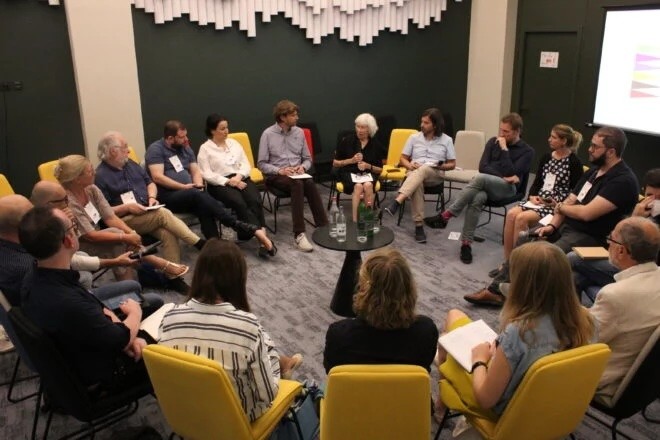
Co-designing and running knowledge-sharing workshops between representatives of cities, regions and festivals, for the European Festivals Association network.
-
 Learn more
Conference in a rural setting
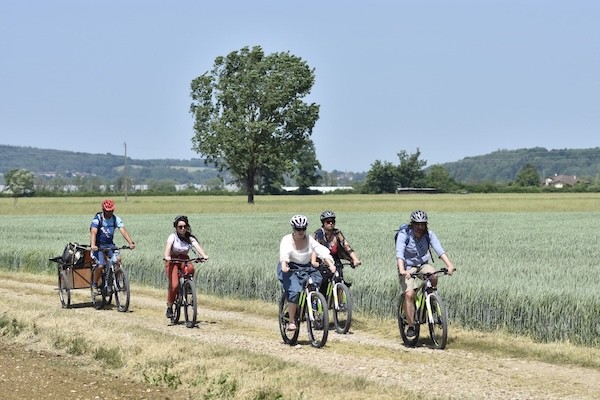
Designing the programme and producing a professional event in a rural area for the association of Centres Culturels de Rencontres. Workshops, presentations and artistic experiences across three routes on foot, by bike and by bus around the Abbey of Ambronay.
-
 Learn more
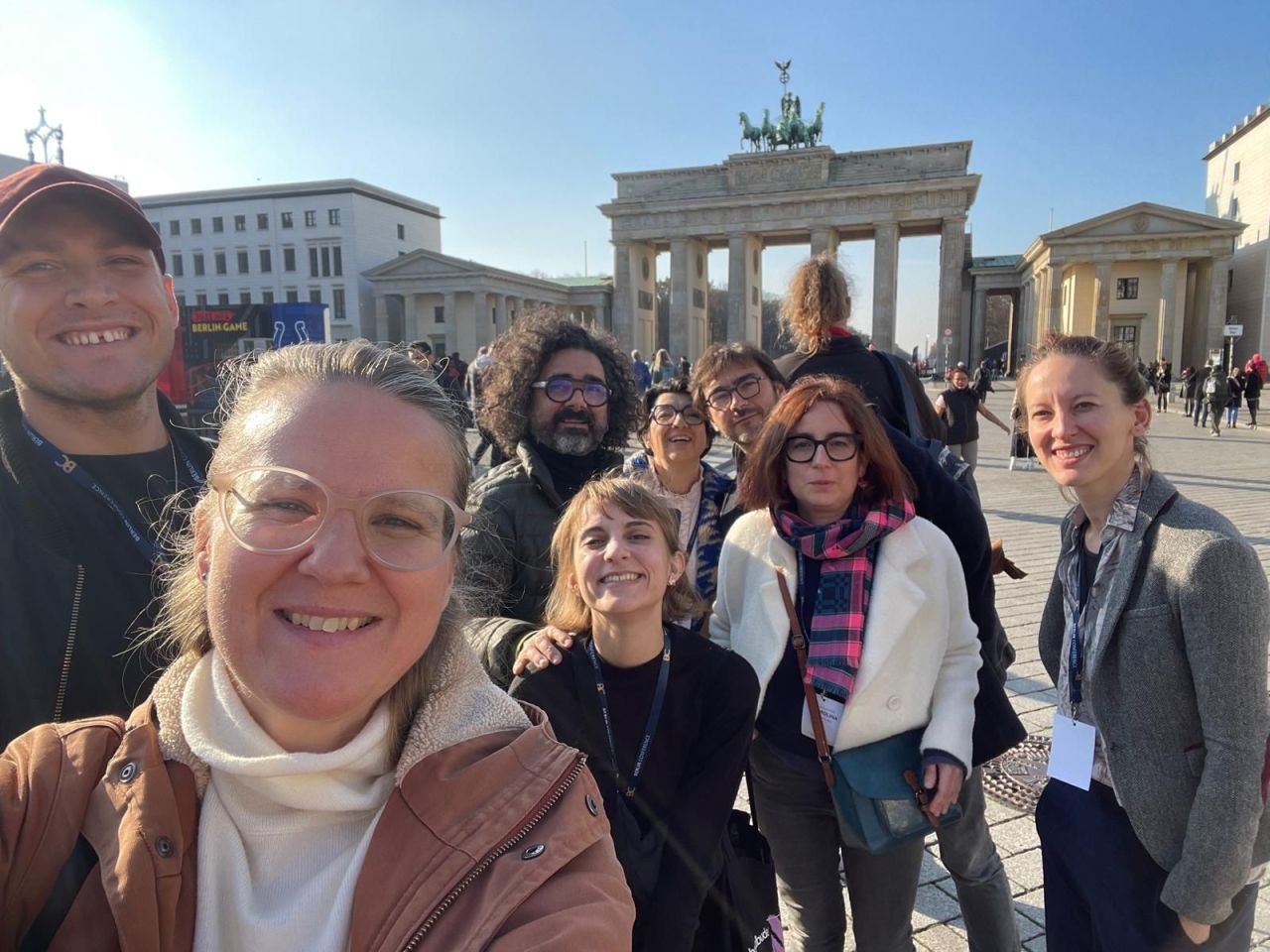
Learning trip
A trip for 10 French cultural actors to Berlin: meeting artists, visiting exhibitions and residency venues, performances and taking part in the Berlin Conference 2025.
-
 Learn more
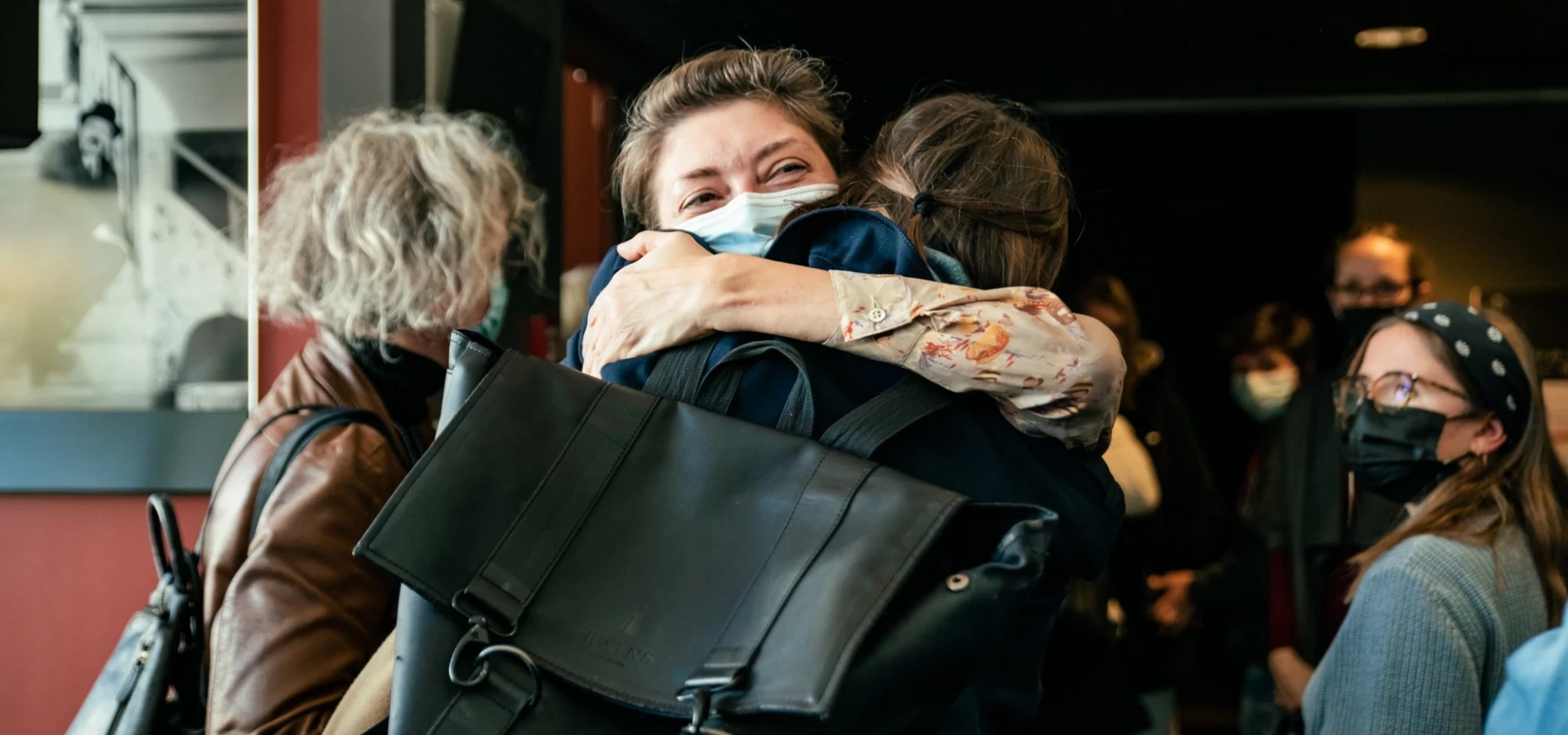
Plenary meeting of a European network
Co-organising the 2021 IETM network meeting in Lyon, with 300 professionals from 30 countries and 120 students taking part. A programme built around 9 thematic routes across the Lyon metropolis, thanks to the support of 40 partners (venues, festivals, universities, artistic teams).
-
 Learn more
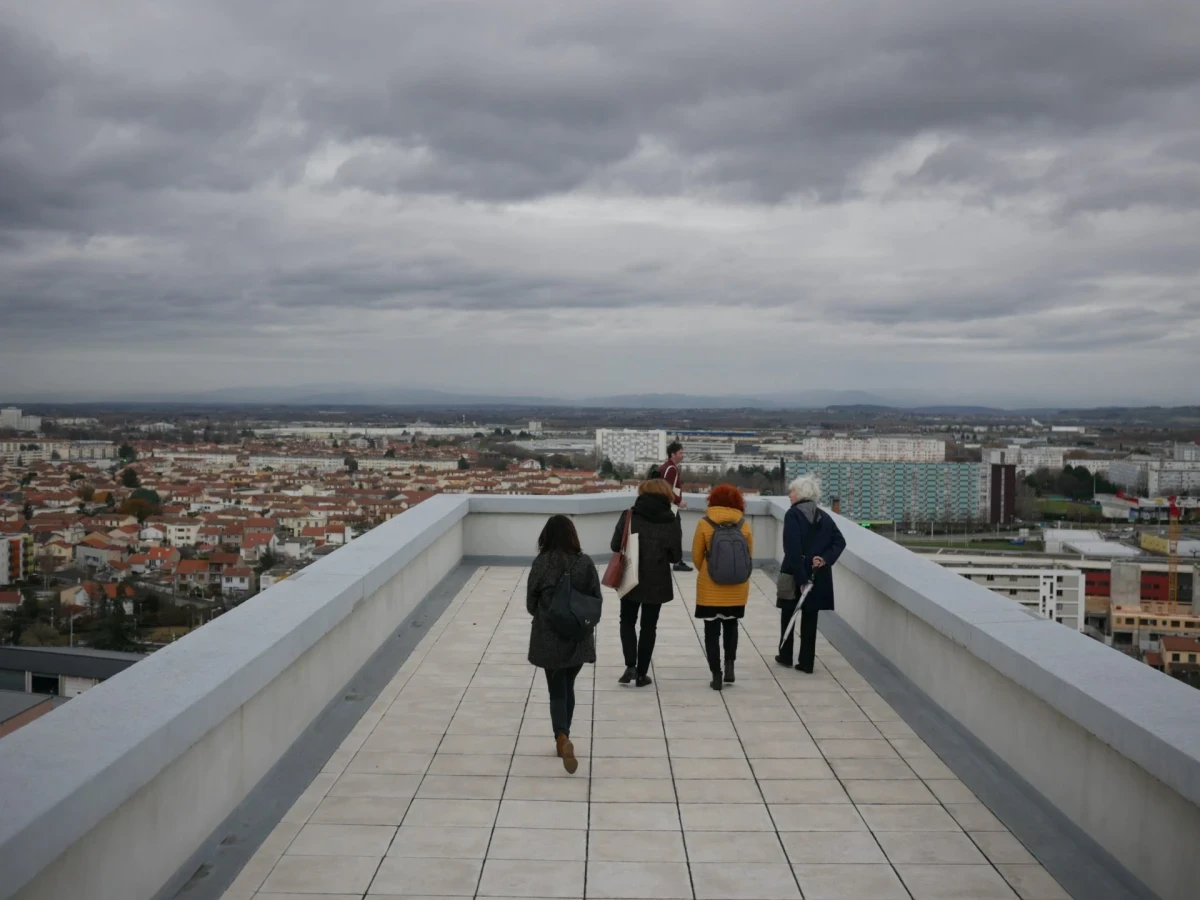
Activating a cultural ecosystem
At the initiative of the City of Clermont-Ferrand, designing a visit for cultural actors from different countries to take a look, together with the local cultural sector, at the bid for the European Capital of Culture 2028.


