Workshop in Usedom for theater makers
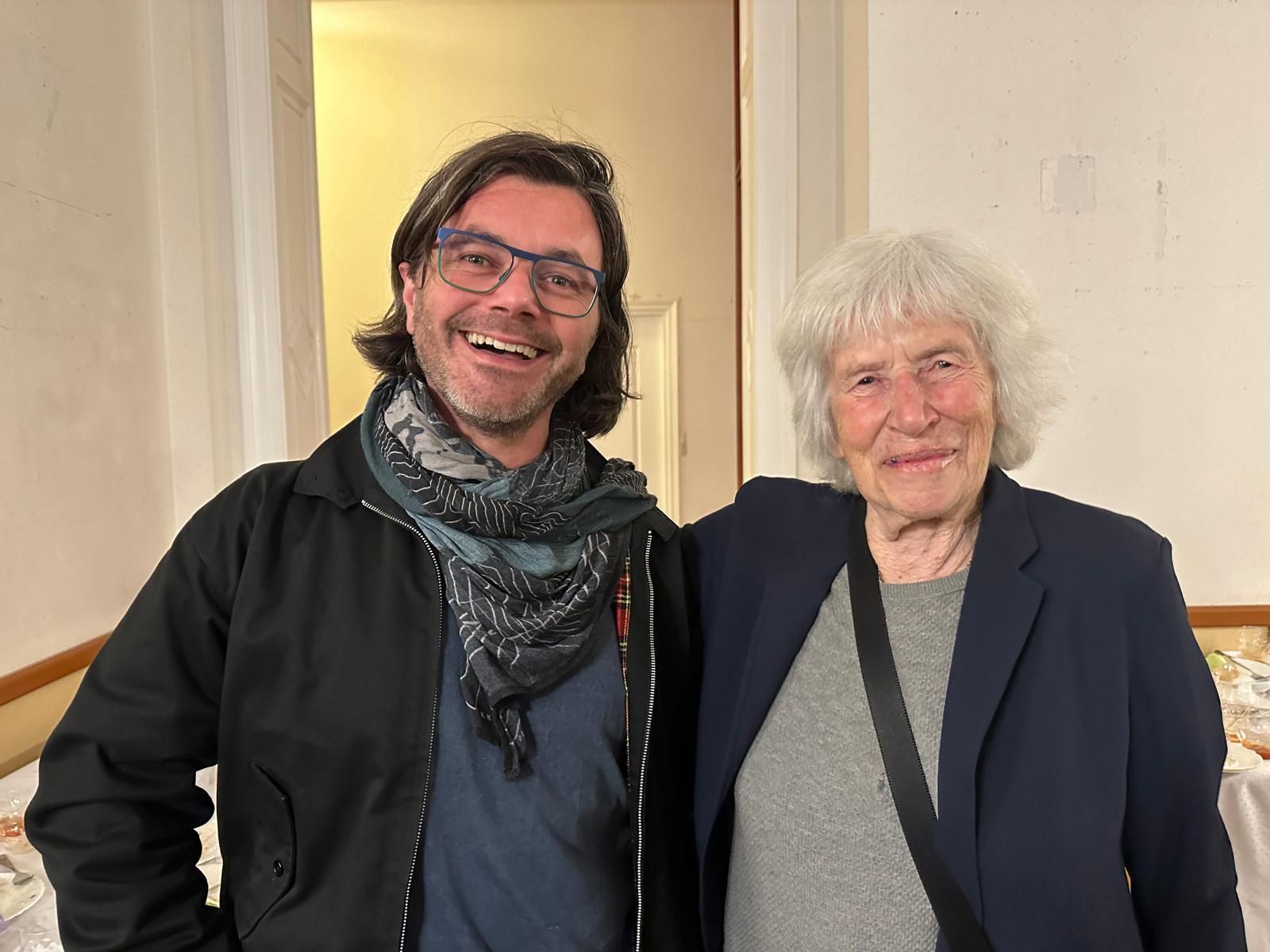
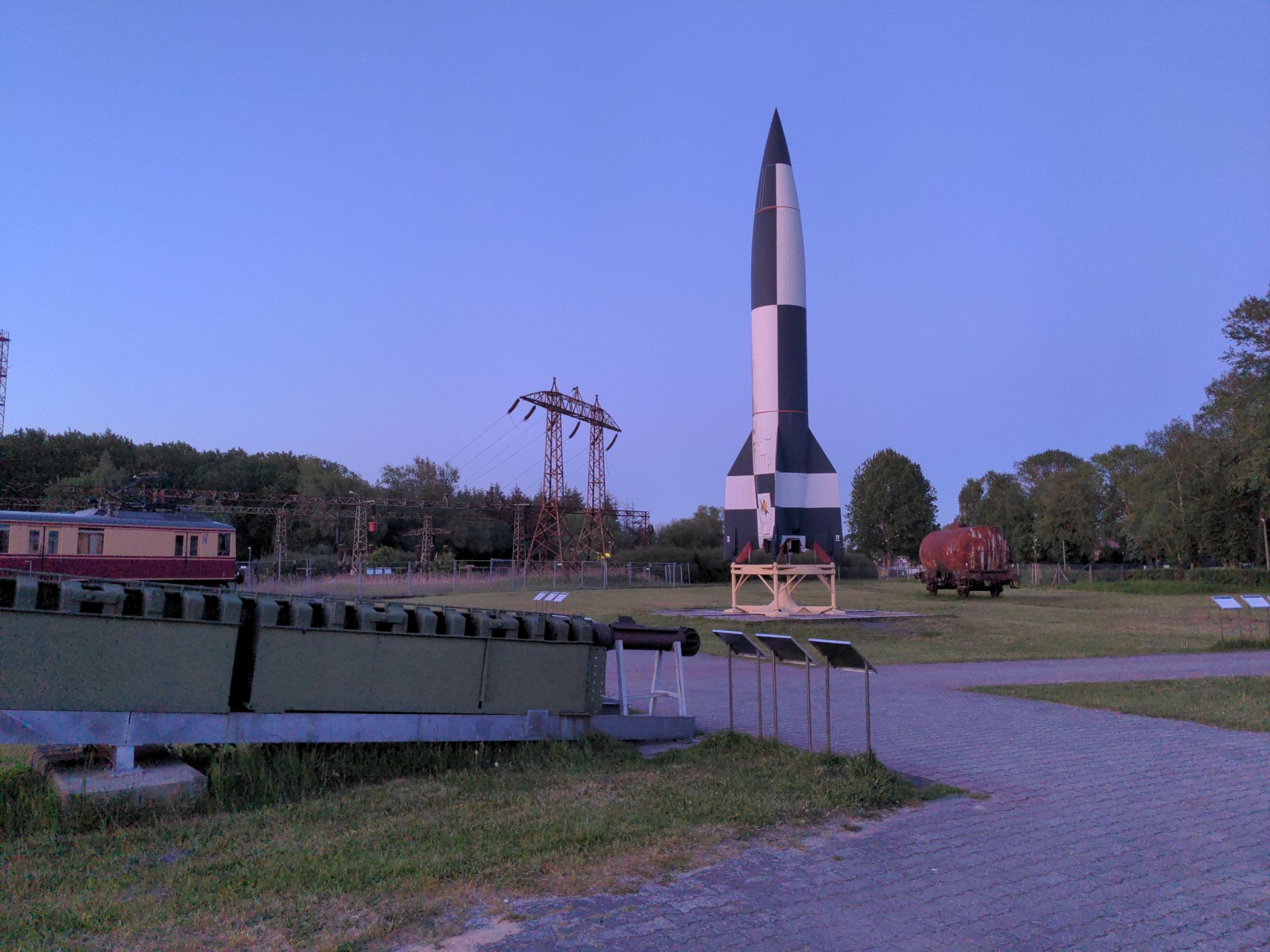
Last May 2024, at the invitation of the European Festivals Association, Nele Hertling and I ran two workshops for festival organisers during the Summit in Usedom, a very pleasant seaside resort on the Baltic Sea, close to Poland, but also the island where Nazi scientists invented and tested the terrible V-2 rockets in Peenemünde.
The first workshop (part of the Denis de Rougemont Labs: Connecting the dots programme) was entitled 'Experimenting democracy: A festival is a story of people'. For 3 hours, in groups of about 15 people, we worked on the following questions:
Why create a festival? To promote an artistic form, to respond to a local need or a commission? How does an idea, a vision or a wish come about? How does a founder (a person, a group) gather around this idea, analyse the needs, find resources and strengths? How does the festival project organise itself over time, and what are the consequences for the group in terms of composition, skills, mode of action and governance? What weakens or strengthens the core group?
A first report has been published and we'll try to continue the discussion with the participants. There are also the "Festival-Trees" and notes of Group 9. "Experimenting democracy: A festival is a story of people" (thanks to Annika Rachor)

The second workshop was part of a series (Yerevan, Girona) of conversations aimed at working on the dynamics of the relation between cities and festivals. It was very lively (thanks also to Péter Inkei's hosting), here are the conclusions :
The need to facilitate the conditions for more cooperation between the cities, regions and actors like festivals (e.g. local authorities through European Capital of Culture’s applications have realised about the importance of this cooperation).
Recognition that cities and regions also wish to learn from each other, that is why many have joined or are thinking of joining the EFFE Seal process.
Notion of experiment and how festivals can be considered organisations that are building knowledge on the people, on the territory. This should be considered by the city, they might ask festivals to be out of the box, to develop some projects for a certain part of society, but do the politicians know who are the inhabitants living in their cities and regions? They know through figures and numbers, but festivals bring other views more related to sensitive topics, cultural expression.
Culture to be more assertive on cultural policies because we may be mixed with tourism issues, social politics, education, etc. It is important to be more assertive especially on relation with tourism because we see there is a complex proximity between arts festivals and the touristic aspect. It is not only to get money back from tourism but about being more assertive to not be considered as touristic festivals but also as cultural and arts festivals and understand what do these festivals bring to the territory apart from the tourism.
Report of the Festivals Cities and Regions Workshop (thanks Ana Benavides Otero) : https://www.efa-aef.eu/media/19373-reporteffesealworkshopafs2024shorter.pdf